The Roof Replacement Process, Step by Step
Inspection, quote, tear-off, structural check, install, cleanup — what really happens during a roof replacement and the disruption to expect.
The Six Stages of a Re-Roof
New roof installation, full replacement, and re-roofing — every project we do follows the same six-stage structure. Knowing what to expect at each stage takes most of the stress out of the project.
Stage 1: Inspection. Before any quote, we walk the existing roof and inspect the structure, underlay, tiles, flashings, and drainage. We open a section to confirm what’s actually underneath the visible tiles. This is the diagnostic step that decides whether replacement is needed, whether overlay is possible, and what material is best for your building.
Stage 2: Quote. Based on the inspection we issue a written, itemised quote covering structural work (if any), tear-off and disposal, materials, installation, and warranty. Each line is clear so you know what’s in and what’s optional. No “while we’re up there” surprises later.
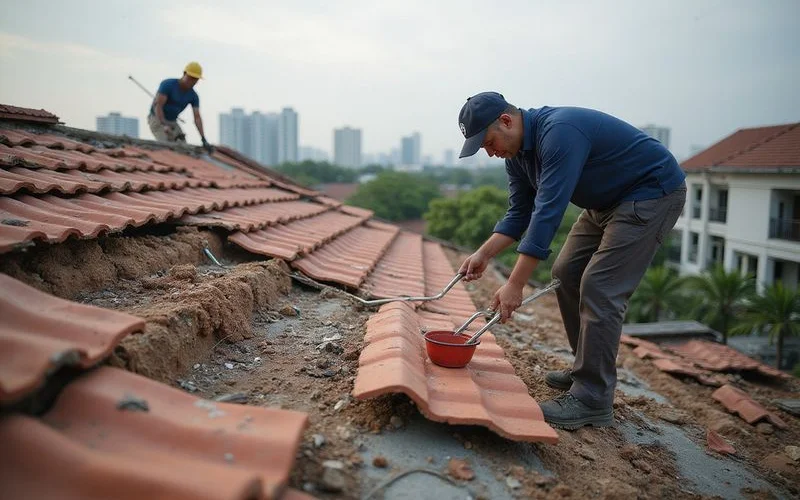
Stage 3: Tear-off. Once you accept the quote and we schedule the works, the actual project starts with removing the old roof. Tiles, battens, and old underlay are removed and disposed of. The deck (the structural surface underneath) is exposed for inspection.
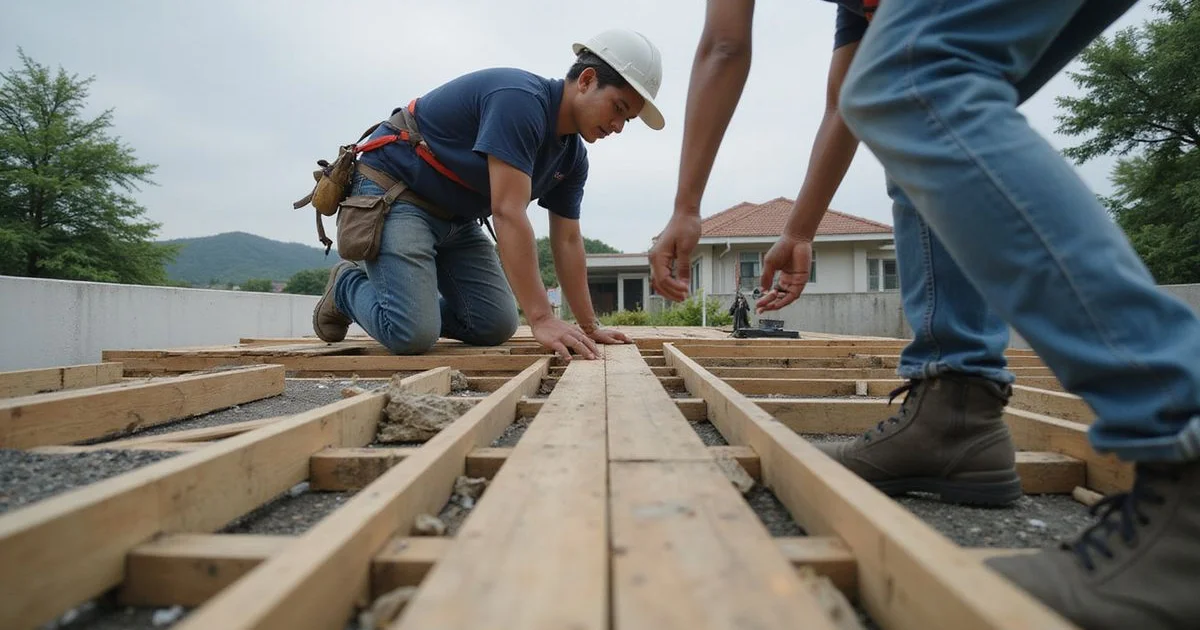
Stage 4: Structural check. With the deck exposed, we check the rafters, battens, and any structural elements for movement, rot, or insect damage. If anything needs rectification, this is when it happens — before the new roof goes on top. Most roofs need a few battens replaced; some need broader structural work.
Stage 5: Install. New underlay is laid and lapped properly, then battens fixed, then the new roofing system (tiles or sheets) installed. Every junction is detailed: flashings at chimneys and parapets, sealing at roof-to-wall lines, properly fitted valleys. This is the bulk of the project and where workmanship quality shows.
Stage 6: Sign-off. Final water test, site clean-up, all debris removed, written warranty handed over. We document what was installed so future maintenance and future contractors aren’t guessing.
What Disruption to Expect Day-to-Day
The honest picture:
- Day 1-2 (tear-off) — noisy. Reciprocating saws, manual tile removal, debris falling into the site protection. Most homeowners can stay in the house but might choose to work elsewhere during these days.
- Day 3-4 (structural and underlay) — quieter. Mostly carpentry and laying work. The home is liveable normally.
- Day 5+ (install) — moderate noise from fixing battens and tiles, but lower than tear-off. End-of-day, the home is weathertight.
- Final day — clean-up and sign-off, minimal disruption.
We protect the area around the house (driveways, plants, AC units) before work starts, and clean thoroughly at the end of each day. Debris is moved off-site progressively, not piled up for the whole project.
Timeline Drivers
Three things drive whether a project is at the short or long end of the typical range:
- Building size — a single-storey terrace is faster than a two-storey bungalow with a complex pitch
- Structural work — if structural rectification is needed (rafter replacement, deck work), it adds days
- Weather — KL rain pauses work. Most projects build a buffer for this; severe monsoon periods can extend timelines
For larger commercial buildings, we often phase the works section by section so part of the roof is always functional.
How We Protect the Property
Standard practice on every project:
- Sheeting over the deck overnight or during heavy rain to keep the home weathertight
- Plywood protection for driveways, paths, and any landscaping the work crosses
- AC unit covers to keep debris and water away from condensers and pipework
- Plant protection for any garden areas the scaffolding or material movement crosses
Plus standard daily clean-up and a thorough final clean before sign-off. The site should look better at the end than it did at the start.
Frequently Asked Questions
How long does a roof replacement take?
Do I need to move out during a re-roof?
What happens if it rains mid-project?
Related Guides
Choosing Roof Tiles for Malaysian Weather
Which roof materials handle KL heat, UV, and monsoon best — pros, cons, durability, and maintenance for concrete tile, clay, and metal deck.
How Long Does a Re-Roofing Project Take?
Typical re-roofing timelines by roof size and type, what causes delays in the KL climate, and how to prepare your property for the work.
Metal Deck vs Concrete Tile Roofing in Malaysia
Cost, lifespan, thermal performance, and leak risk of metal deck vs concrete tile roofing — and which suits terrace, bungalow, and commercial buildings.
Re-Roofing vs Roof Recoating — Which Is Right for Your Home?
When a budget recoat is enough and when a full re-roof is necessary — cost, lifespan, and condition guidance for KL homeowners.
Need help with this?
Learn more about our roof installation & re-roofing service, or get a free on-site inspection.