How Long Does a Re-Roofing Project Take?
Typical re-roofing timelines by roof size and type, what causes delays in the KL climate, and how to prepare your property for the work.
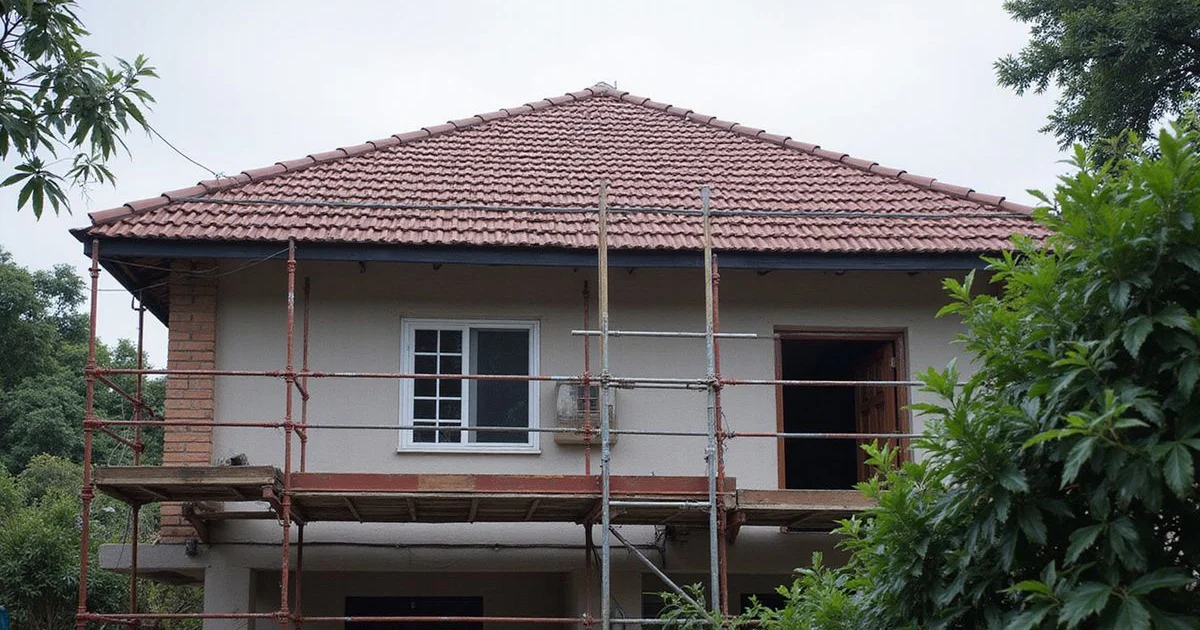
Our team often hears the same pressing question from Kuala Lumpur property owners facing a leaky ceiling: how long does re-roofing take?
You know how disruptive a major construction project can feel, especially when unpredictable weather looms.
We understand that getting a clear timeframe for a new roof installation, full replacement, and re-roofing is your top priority before signing any contract.
Let us look at the verifiable 2026 data, explain what actually drives these schedules, and outline a few practical ways to speed up the process.
Typical Timelines: How Long Does Re-Roofing Take?
Every formal quote provides a written schedule based on building size, type, and pitch difficulty. We map these estimates against the specific square footage of your property to ensure accuracy. A standard terrace house in Malaysia requires a very different approach than a sprawling commercial shoplot. Our site managers rely on these baseline estimates for standard replacements.
| Property Type | Average Size | Typical Re Roofing Duration | Estimated Cost (Concrete Tiles) |
|---|---|---|---|
| Single-storey terrace | 900 sq ft | 3 to 5 working days | RM5,000 to RM9,000 |
| Double-storey terrace | 1,200 sq ft | 5 to 8 working days | RM7,000 to RM12,000 |
| Semi-detached house | 1,800 sq ft | 5 to 7 working days | RM10,000 to RM15,000 |
| Detached Bungalow | 3,000+ sq ft | 7 to 14 working days | RM15,000+ |
| Commercial Shoplot | Varies | 4 to 8 days per section | Quoted per section |
These baseline numbers assume normal access, zero major structural repairs, and clear skies. We often recommend a Double-Layer Metal Roof system for clients who need a faster turnaround. This modern technique installs a new Pre-Painted Galvanized Iron (PPGI) metal deck directly over existing tiles. Our crews can cut the traditional project length in half because no tear-off is required.
Weather and Access Delays in KL
Two primary variables consistently extend the standard roof project length KL property owners initially expect. We see this reality play out across the Klang Valley every single year.
Insider Tip: Always ask your contractor if their timeline includes a “monsoon buffer.” Standard DBKL approved working hours are 9 AM to 6 PM, meaning lost rain days cannot simply be made up by working late into the night.
The Northeast Monsoon Impact: The monsoon season stretching from October to February brings severe, intermittent rainfall to Peninsular Malaysia. We build a buffer of one to two days into most contracts to handle standard wet weather. Working safely during heavy rain is impossible, but dry windows of a few hours do open up regularly. Our foremen actively monitor local radar to maximise productivity during those dry spells.
Difficult Access Logistics: Steep pitches demand specific frame scaffolding that complies with local safety guidelines. We utilise lift hires or rope access teams for particularly high or difficult structures. Properties built tightly against neighbouring walls require very careful staging to avoid accidental property damage. Our initial inspections will identify these hurdles, and the final quote will reflect any extra days needed.
Hidden Structural Work: Sometimes structural damage like rotted rafters or soft battens remains hidden until the tear-off phase. We immediately pause to quote any necessary structural rectification before proceeding. A 2026 DBKL ruling strictly enforces a 12-month maximum limit on home renovations to minimise neighbourhood nuisance. Therefore, resolving these hidden defects swiftly is critical to staying compliant.
How to Prepare the Property
A quick preparation checklist before the crew arrives significantly reduces stress and saves valuable time. We strongly advise taking a few simple steps to secure your belongings.
- Clear the work zone: Relocate vehicles from the driveway and immediate perimeter, particularly during the messy tear-off phase.
- Empty the attic space: All stored items directly under the ceiling should be moved out to prevent dust contamination.
- Secure outdoor valuables: Bring potted plants indoors and completely cover any heavy garden furniture.
- Plan for the noise: Demolition is loud, so you might want to relocate pets or plan remote workdays elsewhere.
- Verify local council rules: Standard tile replacements skip the red tape, but structural changes require a formal DBKL permit under Section 70 of the Street, Drainage and Building Act 1974.
Daily debris management and immediate site protection fall entirely on the contractor’s shoulders. Our crew takes full responsibility for setting up protective driveway covers and guarding air conditioning units.
Phased Options for Occupied Buildings
Many commercial properties and busy facilities simply cannot shut down completely for maintenance. We frequently phase the construction sequence to keep these buildings operational. Standard DBKL regulations typically limit noisy works to between 9 AM and 5 PM on weekdays. Our project managers schedule the heaviest tasks carefully within those approved council hours.
Breaking the job into manageable pieces minimises disruption for tenants and customers. We utilise three proven strategies for occupied spaces.
- Elevation sequencing: The crew focuses entirely on one single face of the building while the rest remains untouched.
- Sectional isolation: Large commercial layouts allow us to move systematically across the grid in self-contained zones.
- Time-based scheduling: The work happens strictly around critical operational windows or designated tenant schedules.
Every active phase is completely weathertight before the team leaves the site each afternoon. We ensure the remainder of the property functions normally without any exposed gaps.
What Affects Day-to-Day Progress
Three distinct elements dictate whether a site moves faster or slower than the projected baseline on any specific morning. We monitor these factors closely to keep clients informed.
- Daily Weather Shifts: Clear skies mean high productivity, while unexpected downpours bring operations to a complete halt. We always prioritise safety and material integrity over rushing through a wet afternoon.
- Material Supply Chains: Securing premium Monier clay tiles or custom Lysaght metal profiles can introduce unexpected lead times. Our procurement team locks in these material orders early to prevent mid-project delays.
- Site and Trade Coordination: Intricate renovations often involve scheduling electricians for AC units or plumbers for solar heaters. We sequence the roofing teams strictly around the availability of these secondary trades.
Most residential properties never face these overlapping schedules, but commercial jobs demand precise logistical planning. Getting a durable, leak-free result is always worth a few days of careful construction.
We encourage you to review your current ceiling status and prepare ahead of the next heavy rain season. Contact our inspection team today to get a precise, verifiable roof replacement timeline for your specific property upgrade.
Understanding exactly how long does re-roofing take ensures you can plan your daily routine with minimal disruption.
Frequently Asked Questions
Can re-roofing be done in stages?
What delays a re-roofing project?
How do I prepare my home for re-roofing?
Related Guides
Choosing Roof Tiles for Malaysian Weather
Which roof materials handle KL heat, UV, and monsoon best — pros, cons, durability, and maintenance for concrete tile, clay, and metal deck.
Metal Deck vs Concrete Tile Roofing in Malaysia
Cost, lifespan, thermal performance, and leak risk of metal deck vs concrete tile roofing — and which suits terrace, bungalow, and commercial buildings.
Re-Roofing vs Roof Recoating — Which Is Right for Your Home?
When a budget recoat is enough and when a full re-roof is necessary — cost, lifespan, and condition guidance for KL homeowners.
Roof Replacement Cost for a Terrace House vs Bungalow in Klang Valley
Roof replacement price ranges by property type in the Klang Valley — terrace, bungalow, and commercial — plus the factors and materials that drive cost.
Need help with this?
Learn more about our roof installation & re-roofing service, or get a free on-site inspection.