Re-Roofing vs Roof Recoating: Which Is Right for Your Home?
When a budget recoat is enough and when a full re-roof is necessary — cost, lifespan, and condition guidance for KL homeowners.
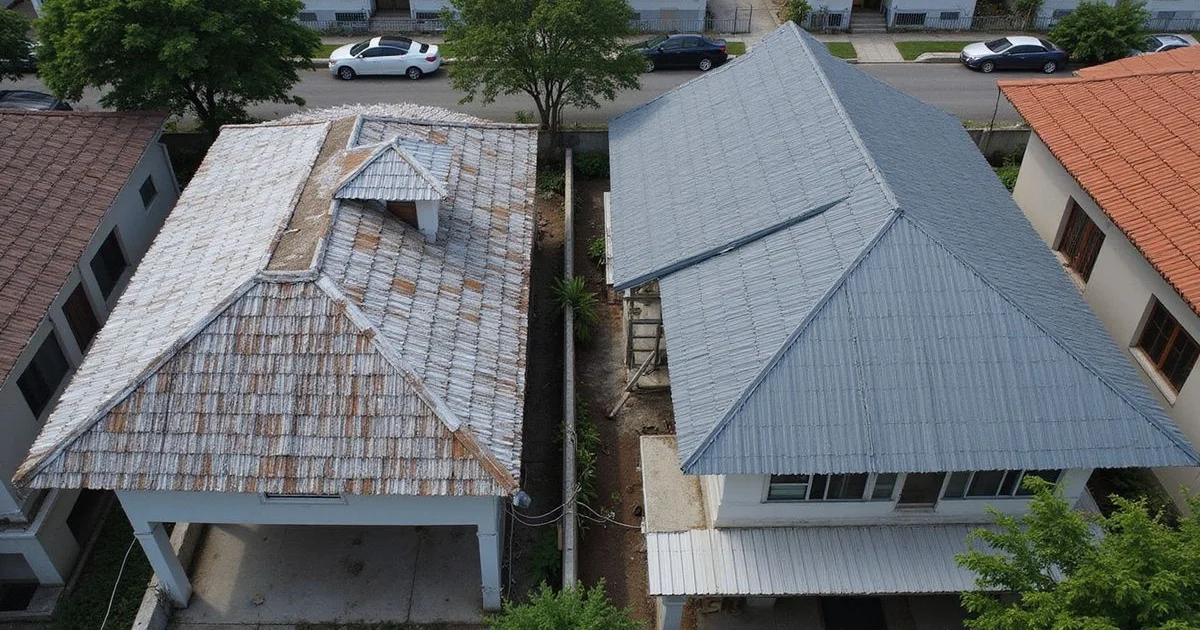
When considering re-roofing vs recoating, our professional roofing team sees property owners in Kuala Lumpur struggle with this choice every single day. The reality is that a complete tear-off is not always the mandatory first step. Sometimes, Roof installation and re-roofing is the only secure answer, while other situations just need a protective coating.
We will break down the exact cost differences, lifespan expectations, and structural red flags to watch for in 2026. This guide provides the clear roadmap you need to make a confident, budget-friendly choice.
Let’s look at the data.
The Decision in Plain Terms: Re-Roofing vs Recoating
We always tell our clients that the right call depends entirely on the hidden condition of the roof structure. A surface-level inspection is never enough to make a final decision. The honest verdict comes from lifting tiles and checking the underlying membrane.
Our crews look for very specific signs to determine if recoating or replacement is the right path. Recoating works beautifully when your Monier concrete tiles or metal sheets remain structurally sound. The underlying sarking must still be intact and doing its job properly.
We recommend this route if your main issue is faded aesthetics and you want to extend the roof’s life by 5 to 8 years without a massive investment. This assumes you have absolutely no active leaks inside the building. Any previous minor leaks must have been repaired and proven to hold through a heavy monsoon season.
Recoating is right when:
- The tiles or metal decking are structurally sound.
- The underlay is still doing its job with zero leaks.
- The surface appears faded or oxidized.
- There are no active leaks currently.
- The goal is to extend the lifespan by 5 to 8 years.
We find that re-roofing becomes mandatory when the core structure fails. The underlay membrane usually perishes after 15 to 20 years in our tropical climate. Once that protective layer goes, water will penetrate even if the outer clay tiles look perfect.
Re-roofing is right when:
- The underlay has perished entirely.
- There is visible sagging or a structural concern.
- Repeated patching has stopped holding water back.
- The tiles are widely cracked or eroded.
- The property requires peace of mind lasting 30 to 40 years.
We consider targeted repairs to be the middle ground for roofs in good general condition. This approach fixes discrete problems without the massive expense of a full replacement. Property managers often choose this for minor flashing issues.
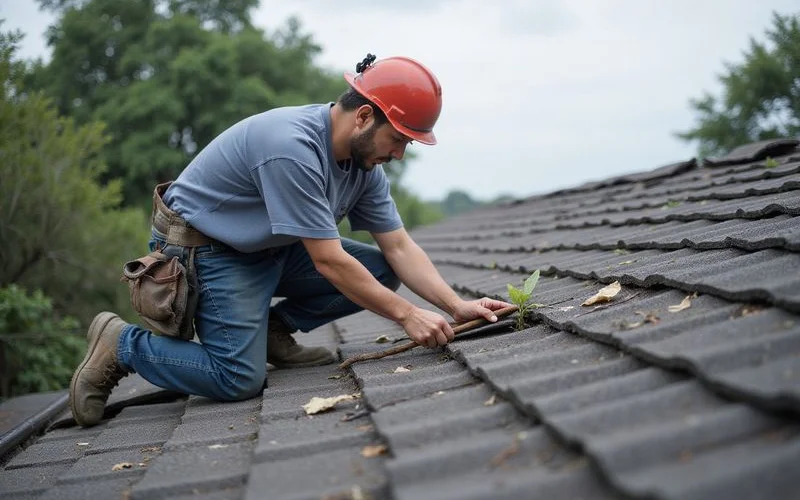
Cost and Lifespan Comparison
Our recent 2026 pricing data shows a massive financial gap between these options when comparing recoating vs replacement kl rates. A typical single-storey terrace house will see drastically different price tags depending on the chosen route. The final ratio heavily favours recoating when the underlying structure remains perfectly sound.
| Approach | Typical Cost (KL terrace) | Lifespan Added | Best Case |
|---|---|---|---|
| Targeted repair | RM 800 - 5,000 | 5-10 years | Roof has discrete fixable problems |
| Recoating | RM 4,000 - 12,000 | 5-8 years | Surface restoration on sound roof |
| Re-roofing | RM 12,000 - 30,000+ | 30-40 years | Roof is past useful surface life |
We base these numbers on standard 20x70 terrace homes common in areas like Petaling Jaya or Cheras. The mathematics will shift depending on your exact square footage and the steepness of the pitch. Full replacement simply makes more sense when the existing materials are already failing.
When Recoating Is False Economy
Our inspectors frequently see homeowners waste money by recoating a roof that actually required a full replacement. Applying a fresh layer of acrylic over a dying structure is a terrible financial decision when debating a roof recoat or replace scenario. Water will always find a new path through compromised concrete or perished sarking.
We warn clients to watch out for these specific red flags before signing a coating contract.
Hidden Membrane Failure
The underlay membrane beneath the tiles acts as your second line of defence against heavy monsoon downpours. Once this layer perishes from age and humidity, leaks will happen regardless of how shiny the surface looks.
We know that a topcoat cannot stop water that has already bypassed the main tiles. Applying sealant here is essentially throwing your budget down the drain. The moisture will just continue rotting the wooden battens below.
Widespread Structural Damage
Our experience shows that liquid coatings cannot repair deep structural cracks in clay or concrete tiles. The ceiling will continue to leak under the brand-new layer of paint. Replacing dozens of failed tiles individually quickly defeats any cost savings you hoped to achieve.
We also look for any visible sagging or shifting along the roofline. These symptoms indicate that the actual timber or steel trusses need urgent attention. Hiding these structural warnings under a layer of fresh paint is incredibly dangerous.
The Band-Aid Effect
We consider repeat leaks across multiple different areas to be a massive warning sign. This pattern means the entire surface system is fundamentally compromised. A quick chemical spray might buy you six months of dry ceilings instead of the promised eight years.
Our team will tell you honestly if two or more of these indicators are present during an inspection. Coating a failed system is a false economy that you will pay for twice. It is always better to invest the funds into a permanent fix.
When Recoating Is Genuinely Good Value
We highly recommend professional recoating for surfaces that are structurally sound but visually tired for owners needing budget roof options. This method offers outstanding value for well-maintained properties under 20 years old. The process completely rejuvenates the building’s curb appeal for a fraction of a full replacement.
Our preferred applications involve high-quality heat-reflective products like Nippon Solaroof or LuminX. These specialized paints reflect up to 90% of solar heat away from the building. This significantly lowers the surface temperature and cuts down your indoor air conditioning costs by up to 10°C.
Ideal Candidates for Coating
We look for a few specific criteria to guarantee a successful surface restoration. The existing tiles must be entirely intact with no widespread cracking. The underlying waterproof membrane must still be doing its job perfectly.
Our crews confirm there are absolutely no current leaks inside the ceiling cavity. The primary concern should simply be surface chalking, fading, or minor oxidation. Improving thermal performance against tropical UV gain is another excellent reason to proceed.
We find that a thorough preparation process makes all the difference here. A quality application adds 5 to 8 years of working life to the property. It refreshes the entire exterior aesthetic while lowering utility bills.
How to Decide
We believe the final decision relies mostly on the underlying condition rather than the top surface. An aged exterior can look passable from the ground while hiding serious rot. A properly maintained system might just look slightly tired despite being perfectly solid.
Our inspection process reveals the actual, factual state of your building’s defense system. The evaluation covers four critical zones to prevent any costly surprises. This methodical approach removes all the guesswork from your budget planning.
The Four-Point Inspection
We start with a comprehensive visual check of the tiles, flashings, and critical junctions. The next step involves physically lifting a few tiles to confirm the membrane’s exact state. Timber battens, rafters, and the accessible deck area undergo a strict structural review.
Our specialists finish by examining the drainage flow through all gutters and valleys. The answer becomes glaringly obvious once we have this complete picture. Targeted repair suits discrete problems, while recoating works for generally sound surfaces needing a refresh.
We recommend total replacement only when the underlying condition is completely past its lifespan. You get the honest call from our team directly at the site. If the cheaper recoating option will hold water back reliably, that is exactly what you will hear.
Our experts are ready to evaluate your property and stop the guesswork. Making the final call on re-roofing vs recoating requires hard facts. Schedule your comprehensive site inspection today to get a definitive answer.
Frequently Asked Questions
Is recoating cheaper than re-roofing?
How long does a recoat add to roof life?
How do I know which I need?
Related Guides
Choosing Roof Tiles for Malaysian Weather
Which roof materials handle KL heat, UV, and monsoon best — pros, cons, durability, and maintenance for concrete tile, clay, and metal deck.
How Long Does a Re-Roofing Project Take?
Typical re-roofing timelines by roof size and type, what causes delays in the KL climate, and how to prepare your property for the work.
Metal Deck vs Concrete Tile Roofing in Malaysia
Cost, lifespan, thermal performance, and leak risk of metal deck vs concrete tile roofing — and which suits terrace, bungalow, and commercial buildings.
Roof Replacement Cost for a Terrace House vs Bungalow in Klang Valley
Roof replacement price ranges by property type in the Klang Valley — terrace, bungalow, and commercial — plus the factors and materials that drive cost.
Need help with this?
Learn more about our roof installation & re-roofing service, or get a free on-site inspection.