Choosing Roof Tiles for Malaysian Weather
Which roof materials handle KL heat, UV, and monsoon best — pros, cons, durability, and maintenance for concrete tile, clay, and metal deck.
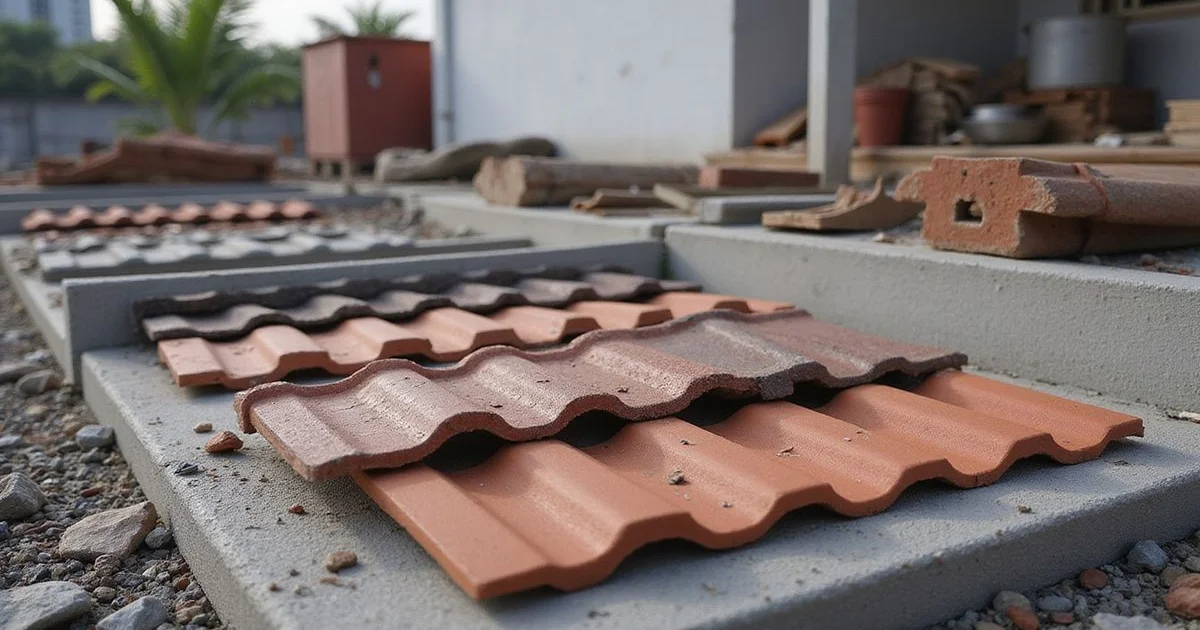
The Three Common Materials
We install all three of the materials below and can give honest material recommendations based on your specific building. Finding the best roof tiles malaysia has to offer is really about balancing long-term durability with your immediate budget.
Our team frequently handles Roof installation and re-roofing across the Klang Valley. The harsh local climate requires materials that can withstand severe monsoon rains and intense UV exposure.
We see most Kuala Lumpur roofing decisions come down to three reliable materials.
- Concrete tile: The standard for terrace and bungalow homes.
- Clay tile: Premium tile option with the longest lifespan.
- Metal deck (including standing seam): Common for commercial buildings and increasingly residential designs.
Each material handles tropical conditions differently and suits different building types.
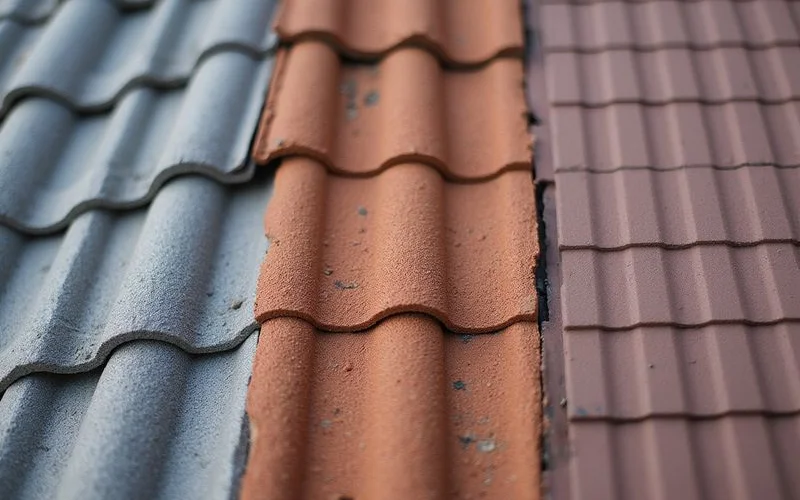
Concrete Tile
We recommend concrete tile as the default roof tile selection kl homeowners prefer for terraces and bungalows. It dominates the local market, covering over 80 percent of Malaysian housing estates built since 1990.
Our installers frequently work with the BMI Monier Elabana profile for reliable, long-term performance. This interlocking wave tile provides excellent thermal mass to slow down heat transfer into your ceiling.
We always remind clients that standard concrete tiles weigh around 4.3 kilograms per piece. Your roof trusses must be engineered to handle this significant dead load.
Pros:
- Cost-effective, with standard tiles priced around RM2.50 to RM3.50 per piece.
- High thermal mass soaks up heat slowly and releases it slowly.
- Long lifespan of 30 to 40 years when properly installed.
- Meets MS 797 Malaysian Standards with a wide range of colours.
- Familiar to all KL contractors for easy maintenance.
Cons:
- Heavy material needs proper structural capacity.
- Surface colours can chalk and fade over time, though recoating helps.
- Cracks can develop from impact or extreme thermal cycling.
- Each displaced tile is a potential leak point during heavy monsoon rains.
Best for: Most KL residential homes, including terraces, link houses, and bungalows. The default choice unless there is a specific reason to go elsewhere.
Clay Tile
We specify clay tile for heritage properties and premium residential builds where budget allows. It offers the longest service life of any common roofing material, easily exceeding 50 years.
Our procurement team typically sources from established local manufacturers like Golden Clay Industries (GCI) for high-end projects. These natural tiles provide excellent thermal performance and a truly unmatched aesthetic.
We love that the colours are completely UV-stable and will never fade under the harsh Malaysian sun. A steeper roof pitch is often required to ensure proper water runoff.
Pros:
- Longest lifespan of common materials, lasting 40 to 50 years or more.
- UV-stable colour that does not fade over time.
- Premium aesthetic provides a distinctive look for upscale properties.
- Excellent performance in intense tropical heat and humidity.
Cons:
- Heaviest material options demand strong structural support.
- Most expensive option compared to standard concrete.
- Fewer profile and colour options are available.
- Specialty supplier relationships are needed for procurement.
Best for: Heritage and premium residential properties. Owners who want the longest service life and most distinctive look, and have the budget and structural capacity for it.
Metal Deck
We install metal deck for commercial buildings, factories, and modern low-pitch residential designs. It is the lightest material available and drastically reduces the structural load on your building.
Our teams recommend concealed-fixing systems like Lysaght KLIP-LOK OPTIMA for superior leak protection. These specialized systems eliminate external screw holes, preventing water ingress during peak monsoon downpours.
We advise specifying a Base Metal Thickness (BMT) of at least 0.42mm or 0.48mm for proper durability. The fast installation process helps keep project timelines tight.
Pros:
- Lightest material puts far less stress on the building structure.
- Fast to install, resulting in quicker project completion.
- Perfect for long spans on commercial properties and warehouses.
- Modern coated systems like Zincalume handle UV rays exceptionally well.
- Standing seam variants offer a sleek, premium architectural finish.
Cons:
- Untreated or poorly specified metal becomes very noisy in heavy rain.
- Lower thermal mass requires additional insulation for comfortable residential use.
- Distinctly modern appearance clashes with traditional architectural styles.
- Joints and laps are critical points where installation quality matters most.
Best for: Commercial and industrial buildings. Increasingly residential, particularly modern designs, low-pitch roofs, and where weight matters.
Choosing for Your Building
We find the actual decision usually comes down to structural capacity, budget constraints, and your desired aesthetic. Evaluating these three specific factors provides a clear roof material comparison to guide you.
Our process always starts by assessing what your building structure can safely support.
1. What does your building’s structure support?
If you are re-roofing a 1970s terrace house with original timber rafters, those aging supports limit your options. Our engineers note that concrete tile adds massive weight, making metal the safest lightweight alternative.
A thorough inspection determines what your specific roof frame can carry safely. We sometimes recommend upgrading your roof trusses to support heavier modern tiles.
2. What is your budget?
Concrete tile is generally the cheapest option once installed. We track current market pricing to help you plan your renovation accurately.
- Concrete Tile: Highly affordable, starting around RM2.50 to RM3.50 per piece.
- Metal Deck: Variable pricing, with standing seam systems carrying a premium price tag.
- Clay Tile: The most expensive choice due to raw material costs and heavy structural requirements.
The material you select will swing your total project cost by thousands of ringgit. Our cost estimators always factor in the required structural upgrades for a true final price.
3. What look do you want?
Most KL homeowners want the traditional, familiar look of an interlocking tiled roof. We notice a growing trend of clean, modern architectural lines favoring the sleek appearance of a metal deck.
A select group of clients chooses the distinctive, premium finish of natural clay. Our experience shows that aesthetic appeal directly affects both your property value and your daily personal satisfaction.
Durability and Maintenance Needs
Regular upkeep extends the life of any roof. We consider all three materials highly durable when they are installed properly.
Maintenance requirements differ significantly depending on the exact product you choose. Our maintenance crews perform specific routine checks customized for each material type.
| Material Type | Expected Lifespan | Routine Maintenance Needs |
|---|---|---|
| Concrete Tile | 30 - 40 Years | Occasional surface recoating for appearance and thermal performance. |
| Clay Tile | 40 - 50+ Years | Virtually maintenance-free, requires only basic visual inspections. |
| Metal Deck | 20 - 30 Years | Periodic check of fixings and seams, plus a coating refresh every 10 to 15 years. |
The maintenance that actually matters most is gutter and drainage care. We find that most roofs fail because backed-up drainage damages the junctions, not because of the tiles themselves.
Material choice matters far less than maintaining strict drainage discipline. Our top advice is to clear your gutters regularly to prevent water from overflowing into your ceiling cavity.
What We Recommend in Practice
Specific building profiles dictate the best approach. We recommend concrete tile for typical KL residential re-roofing unless there is a specific reason to go elsewhere.
For heritage or premium properties, clay remains the vastly superior choice. Our commercial clients with low-pitch designs always get a strong metal deck recommendation.
The honest answer is that all three materials work exceptionally well in Malaysia. We know the wrong choice is never the material itself, but rather poor installation practices.
A focus on strict installation quality and precise detailing ensures long-lasting results. Our team is ready to help you weigh the practical trade-offs and make the final call.
Contact a professional roofing contractor today to schedule your comprehensive structural inspection.
Frequently Asked Questions
What's the best roof material for KL weather?
Are metal roofs hotter than tiles?
Do clay tiles last in the tropics?
Related Guides
How Long Does a Re-Roofing Project Take?
Typical re-roofing timelines by roof size and type, what causes delays in the KL climate, and how to prepare your property for the work.
Metal Deck vs Concrete Tile Roofing in Malaysia
Cost, lifespan, thermal performance, and leak risk of metal deck vs concrete tile roofing — and which suits terrace, bungalow, and commercial buildings.
Re-Roofing vs Roof Recoating — Which Is Right for Your Home?
When a budget recoat is enough and when a full re-roof is necessary — cost, lifespan, and condition guidance for KL homeowners.
Roof Replacement Cost for a Terrace House vs Bungalow in Klang Valley
Roof replacement price ranges by property type in the Klang Valley — terrace, bungalow, and commercial — plus the factors and materials that drive cost.
Need help with this?
Learn more about our roof installation & re-roofing service, or get a free on-site inspection.