How Long Does Roof Waterproofing Last in the Tropics?
Typical lifespan of PU, membrane, and cementitious waterproofing in Malaysia's heat and UV — plus the maintenance that makes it last.
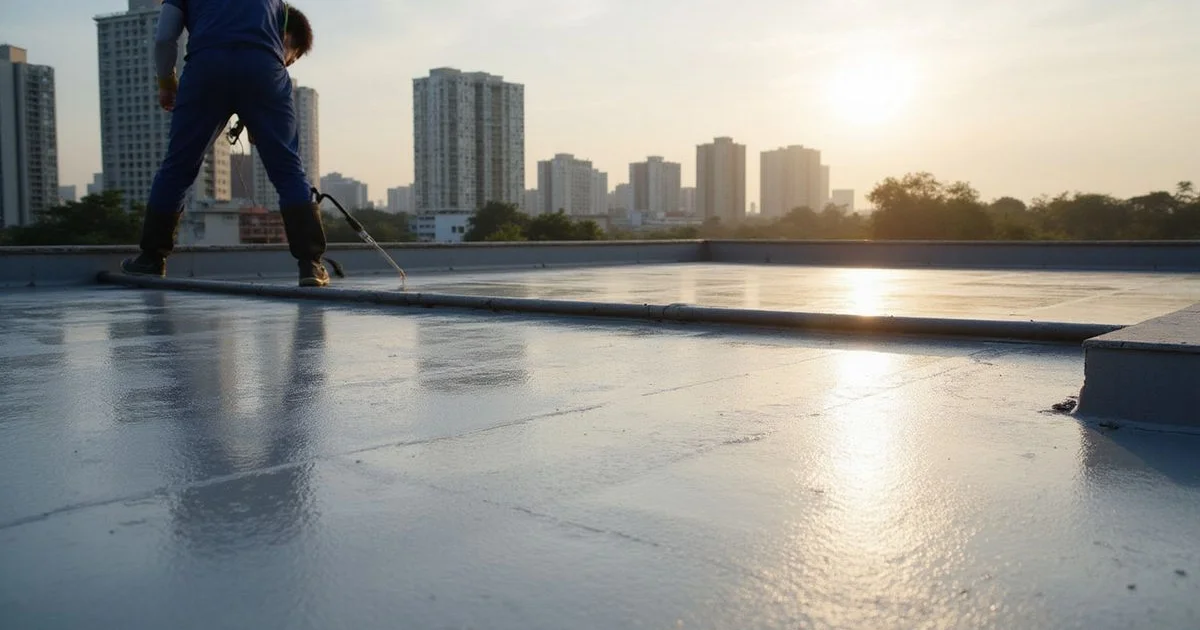
Our team consistently sees how frustrating it is when a newly sealed flat roof starts leaking just a few years after installation. Property owners constantly ask us exactly how long does roof waterproofing last in such harsh conditions.
Premature failure almost always comes down to a mismatch between the chosen material and the punishing climate of Kuala Lumpur.
We want to share the practical context behind these failures, separating manufacturer claims from real-world performance. You will find a clear breakdown of climate-adjusted lifespans, specific reasons local weather accelerates wear, and maintenance tactics that actually extend your roof’s life.
Typical Lifespan by System
A well-installed waterproofing system in Kuala Lumpur typically lasts between 5 and 15 years, depending heavily on the material used and its exposure to the sun. Premium solutions like polyurethane liquid membranes offer the longest durability, while basic acrylic coatings need frequent refreshing.
Our technicians routinely perform Specialist leak detection and waterproofing across the Klang Valley. This daily hands-on work allows us to give you an honest expected lifespan for your specific roof.
When researching waterproofing lifespan malaysia, property managers must factor in the specific material.
| Waterproofing System | Expected KL Lifespan | Estimated 2026 Cost |
|---|---|---|
| PU Injection (Cracks) | Indefinite (cured) | RM 45+ per point |
| Cementitious Coating | 10 to 15 years | RM 2 to RM 5 per sq ft |
| Liquid-Applied Membrane | 5 to 8 years (full sun) | RM 10 to RM 15 per sq ft |
| Sheet Membrane | 8 to 15 years | RM 6 to RM 10 per sq ft |
| Acrylic Coating | 4 to 7 years | RM 3.50 to RM 5 per sq ft |
- PU (polyurethane) injection in cracks: Once cured, this lasts as long as the surrounding concrete holds. It is effectively indefinite and works perfectly for targeted leak points.
- Liquid-applied membrane (LAM): The typical lifespan is 5 to 8 years in full KL sun. The average PU membrane life kl property managers see can exceed 10 years if premium brands like Sika are used in shaded areas.
- Sheet membrane (bituminous, EPDM): Expect 8 to 15 years depending on the material type and the quality of the installation.
- Cementitious waterproofing: This highly affordable option lasts 10 to 15 years when properly installed and kept safe from structural movement.
- Elastomeric/acrylic coatings: These last 4 to 7 years in full sun. They require periodic refreshing to maintain their water resistance.
These figures are practical ranges rather than ironclad guarantees. Real-world longevity depends heavily on the initial substrate condition, the skill of the installers, and the daily UV load.
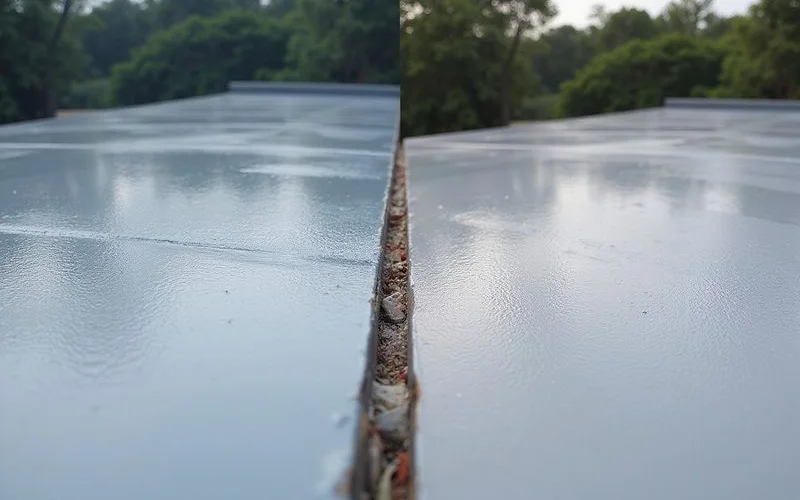
How KL Climate Shortens Service Life
The tropical climate in Kuala Lumpur cuts standard waterproofing lifespans by up to 50% due to relentless UV radiation, drastic temperature swings, and extreme monsoon rainfall. Three specific environmental factors compress these service lives compared to temperate norms.
Our field data shows that systems rated for 12 years in cloudy regions often fail around year six locally. This accelerated wear heavily impacts tropical waterproofing durability and requires owners to be vigilant.
- Intense UV exposure: Tropical UV radiation is intense and persists year-round. Many waterproofing systems degrade primarily through this exposure as the polymer chains in the coating break down. The surface eventually chalks, causing water resistance to fall off rapidly.
- Extreme thermal cycling: Roof surface temperatures swing wildly, often dropping to 23°C overnight and rocketing past 60°C at midday. That daily expansion and contraction completely exhausts the elasticity of any coating. Systems lose their ability to bridge small cracks long before they lose their overall water resistance.
- Monsoon rain volume: Kuala Lumpur receives roughly 2,400 mm of rainfall annually, with massive downpours common in November. Sustained heavy rain finds absolutely any weak point. A coating with one small surface failure might survive a light drizzle, but it will let water pour through under our monsoon conditions.
Maintenance That Extends Lifespan
Consistent maintenance, primarily through annual inspections and clearing drainage systems, is the single most effective way to double the lifespan of your roof waterproofing. The daily discipline of protecting your roof matters far more than the initial system choice.
We frequently see neglected high-spec systems fail in just five years, while well-maintained mid-tier options comfortably last twelve. Proper upkeep requires a mix of scheduled checks and preventative actions.
- Annual professional inspection: Catching minor surface issues before they become deep breaches often doubles or triples the effective lifespan of the membrane.
- Keeping drainage clear: Water that does not drain sits on the membrane, accelerating the chemical breakdown of the materials. In Malaysia, monsoon silt and wet leaves are the primary culprits for blocked flat roof drains.
- Refresh coats at the half-life: Many liquid systems can be topped up at year four or five. This simple recoating process can extend the total service life well past ten years.
- Avoiding heavy foot traffic: Repeated walking on membrane systems shortens their life sharply. This is especially common around air conditioning compressor units.
- Applying UV protection: Using reflective top coats adds years to the base layer by deflecting the harshest midday sun.
A thorough surface preparation and high-pressure cleaning session for a standard terrace house usually costs between RM 500 and RM 2,000. This minor investment is incredibly cost-effective compared to funding a full roof replacement.
Signs Re-Application Is Due
Visible surface changes, such as white powdery chalking, fine cracking, and new organic growth, are the primary indicators that your waterproofing system is failing. Acting at this early stage is significantly cheaper than waiting for a major ceiling leak to ruin your interior.
Our assessment teams use moisture meters to detect hidden dampness, but there are plenty of visual cues you can spot yourself. Watch closely for these specific warning signs that the current system is reaching its end of life.
- Visible chalking (efflorescence): The surface looks white or dusty, indicating that the chemical bonds are breaking down. The original colour of the coating will have faded significantly.
- Surface cracking: Fine, shallow cracks appear across the coating surface rather than in the concrete substrate below.
- Reduced water shedding: Rainwater no longer beads up or runs off cleanly, meaning the hydrophobic properties have worn away.
- Moss or algae growth: Heavy moss or lichen colonization acts like a wet sponge. This proves that the surface is staying wet long after the rain stops.
- Visible substrate: The top coating has physically worn through. This exposes the bare concrete or underlying material to the elements.
- Unexplained musty odours: A damp smell inside the rooms below often precedes new leaks. The membrane has failed even if the visible roof looks completely fine.
Any one of these signals should prompt you to inspect the area and request a quote for a refresh. Treating the issue early prevents structural damage to the concrete slab itself.
How to Choose for the Long Term
Selecting the right long-term waterproofing requires balancing your current substrate condition, your required service period, and your available budget. Premium systems can deliver decade-plus performance, but only when they are paired with proper preparation and regular upkeep.
We strongly recommend evaluating three core areas before choosing your final material:
- Substrate condition: Factoring in the cost of surface leveling and minor concrete repairs is mandatory. A well-prepped substrate ensures maximum value out of any applied system.
- Expected service period: Consider how long you plan to own the property before investing in decade-long solutions.
- Realistic budget: Allocating RM 10 to RM 15 per square foot for a premium PU liquid membrane makes financial sense for commercial flat roofs. Conversely, affordable cementitious options starting around RM 2 per square foot are perfect for rigid, covered areas.
Protecting your property requires a proactive approach to waterproofing maintenance and timely interventions. Waiting for water to drip from the ceiling guarantees a much more expensive and disruptive repair process.
Our priority is ensuring your building remains secure and dry through every heavy monsoon season. Scheduling a professional roof inspection today helps you evaluate your current membrane and catch small defects before they escalate.
Frequently Asked Questions
How often should waterproofing be redone?
Does heat really shorten waterproofing life?
Can waterproofing be topped up instead of redone?
Related Guides
Can Roof Leaks Be Repaired in the Rainy Season?
Yes — temporary containment now, permanent repair in weather windows. Why waiting through the KL monsoon makes roof leak damage worse.
How Professional Roof Leak Detection Works
Visual inspection, thermal imaging, moisture metering, and water-spray testing — how professionals find hidden roof leaks before any repair.
PU Injection vs Traditional Waterproofing for KL Concrete Roofs
How PU injection and membrane waterproofing differ, which suits active concrete-roof leaks vs surface seepage, and when KL contractors combine both.
Roof Leak Repair vs Full Waterproofing — Which Do You Need?
When a spot repair is enough and when full waterproofing is worth it — recurring-leak warning signs and honest cost framing for KL roofs.
Need help with this?
Learn more about our roof leak detection & waterproofing service, or get a free on-site inspection.