Can Roof Leaks Be Repaired in the Rainy Season?
Yes — temporary containment now, permanent repair in weather windows. Why waiting through the KL monsoon makes roof leak damage worse.
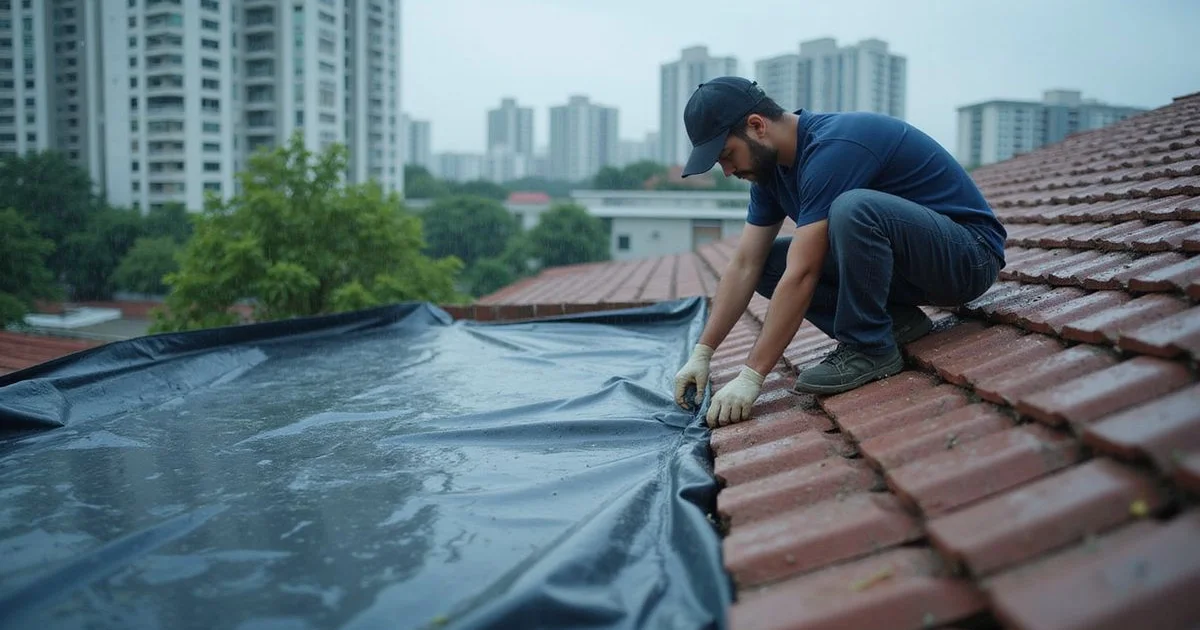
The Short Answer: Yes, with the Right Approach
Our experience shows that waiting for a completely dry month in Kuala Lumpur is a losing game.
The short answer is yes, completing a roof leak repair rainy season project is entirely possible.
We rely on a two-stage process for this exact scenario.
Specialist leak detection and waterproofing handles the emergency containment first to stop water entry today.
Our team then returns for a permanent fix during a clear weather window.
This immediate action prevents minor drips from destroying your interior.
Let’s look at why waiting is risky and how an emergency roof leak kl service functions in tropical weather.
Why “Wait Until Dry Season” Is Bad Advice
Putting off repairs until the dry season guarantees that minor damage will multiply. Water flowing through a hairline crack progressively enlarges the opening with every storm.
We regularly see property owners face massive bills because they ignored a small drip instead of booking a rainy season roof leak fix. MetMalaysia reports from 2026 confirm that the Southwest Monsoon brings intense morning squall lines to the Klang Valley straight through September. That means your exposed roof takes a daily beating for months.
Our cost analysis shows a stark financial contrast between fast action and delay. A minor roof patch in Malaysia usually runs between RM200 and RM500. That same leak, left to rot structural timbers, can eventually force a full replacement costing upwards of RM20,000.
Every week a leak runs unchecked, three specific elements degrade:
- The leak source widens: Water erosion turns a tiny fissure into a major structural gap.
- The underlay degrades: Once wet, standard roofing felt loses integrity rapidly in high humidity.
- Interior damage compounds: Ceiling plaster, paint, and electrical wiring degrade with prolonged moisture.
We always advise clients to contain the water immediately rather than waiting for a sunny month.
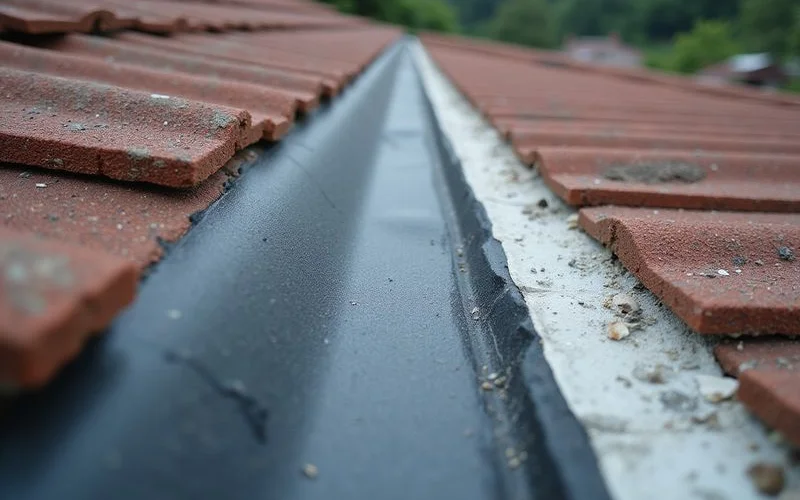
What Emergency Containment Looks Like
Good emergency containment provides a deliberate, temporary barrier designed to hold back water for weeks. It is never just a quick spray of cheap silicone in the wrong weather.
We utilise specialised materials that perform well in high humidity. A standard containment process involves several targeted steps to stop water entry immediately:
- Heavy-duty tarping: We secure UV-resistant polyethylene sheeting to redirect water away from the entry point.
- Moisture-triggered sealants: Advanced Polyurethane (PU) liquid membranes, such as Sika products, are applied to accessible cracks.
- Drainage diversion: Overflow paths are redirected so backed-up water stops pooling near vulnerable flashing.
- Internal containment: Protective sheeting goes into the attic alongside buckets to shield valuables and electrical wiring.
Our crews can typically complete this emergency containment within a few hours of arriving on site. Modern PU sealants actually use atmospheric moisture to trigger the curing process. Your home stays dry by that night, even if the permanent roof repair during monsoon weather happens weeks later.
How We Schedule Around the Rain
Scheduling permanent repairs requires tracking the intermittent rain patterns typical of Kuala Lumpur. Even during the peak monsoon, clear windows of several hours frequently open up during the morning.
We monitor local radar forecasts daily to book permanent works during those specific dry spells. The typical KL weather pattern brings predictable afternoon thunderstorms between 3 PM and 6 PM. This leaves the early hours perfectly viable for construction.
Our team sequences larger jobs so every stage finishes completely weathertight by early afternoon:
- Sectional tear-offs: We remove only the amount of old roofing that can be replaced in one sitting.
- Deck checking: The exposed substrate gets a rapid structural inspection.
- Immediate underlayment: New synthetic waterproof underlay is laid down flat before any dark clouds form.
- Tile fitting: Concrete or clay tiles are secured over the fresh underlay.
This strategy ensures the roof is entirely sealed at the end of each day before the squalls hit. We begin the next section as soon as a new dry morning window opens.
When to Call vs Wait
Knowing whether to request an emergency callout depends on the immediate threat to your property’s interior. You must take fast action if water reaches electrical systems or causes structural sagging.
We assess the severity of every situation to help property owners decide on the best timeline. The table below outlines exactly when you need immediate help versus when a short delay is safe:
| Situation | Indicators for Action | Recommended Timeline |
|---|---|---|
| Emergency Priority | Active dripping during storms, spreading ceiling stains, water near wiring, sagging plasterboard. | Call immediately for tarping and PU sealant containment. |
| Short-Term Wait | Stable dry stains, minor leaks only during severe 3 PM downpours, affected area is non-critical. | Schedule a permanent repair within the next two to three weeks. |
Our experience shows that waiting until the end of the monsoon season is always a costly mistake. The price of temporary containment today remains significantly lower than the cost of replacing waterlogged plasterboard and rotted roof battens later. Make the call early to protect your building from escalating damage.
Secure Your Roof Today
Acting fast is the only way to beat the heavy Malaysian monsoon.
Ignoring a small drip today guarantees a massive reconstruction bill tomorrow.
We highly recommend scheduling a roof leak repair rainy season inspection immediately.
Reach out to our team right now to secure your property before the next afternoon storm hits.
Frequently Asked Questions
Can waterproofing be applied in wet weather?
How fast can you respond to an active leak?
Will a temporary fix last the monsoon?
Related Guides
How Long Does Waterproofing Last in a Tropical Climate?
Typical lifespan of PU, membrane, and cementitious waterproofing in Malaysia's heat and UV — plus the maintenance that makes it last.
How Professional Roof Leak Detection Works
Visual inspection, thermal imaging, moisture metering, and water-spray testing — how professionals find hidden roof leaks before any repair.
PU Injection vs Traditional Waterproofing for KL Concrete Roofs
How PU injection and membrane waterproofing differ, which suits active concrete-roof leaks vs surface seepage, and when KL contractors combine both.
Roof Leak Repair vs Full Waterproofing — Which Do You Need?
When a spot repair is enough and when full waterproofing is worth it — recurring-leak warning signs and honest cost framing for KL roofs.
Need help with this?
Learn more about our roof leak detection & waterproofing service, or get a free on-site inspection.