What Causes Roof Leaks in Kuala Lumpur Homes?
Cracked tiles, failed flashing, blocked valleys, and porous concrete — the real causes of roof leaks in Kuala Lumpur homes and when to call for help.
The Real Causes of Roof Leaks in KL Homes
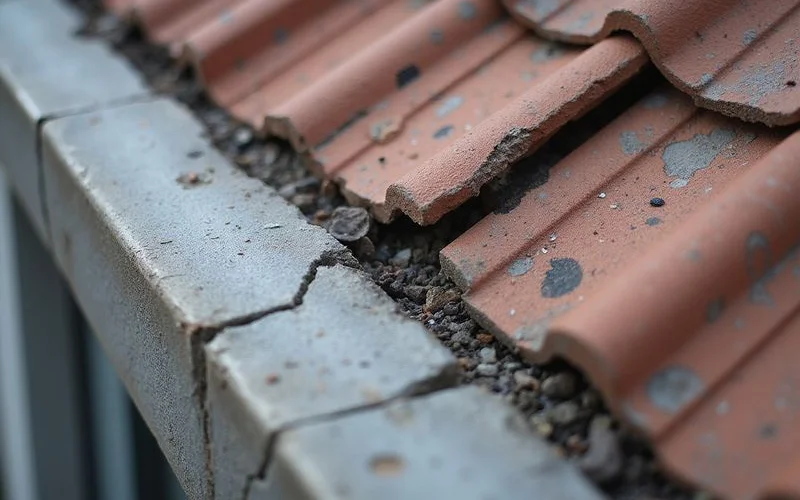
Roof leaks in Kuala Lumpur homes almost never start in the middle of the tile field. The actual causes cluster around a small number of failure modes: cracked or shifted tiles, failed flashing at junctions, blocked or sagging valley gutters, perished underlay, and porous concrete on flat roofs. Once you know which one is at play, the fix becomes straightforward — but the diagnostic step is where most repair jobs go wrong.
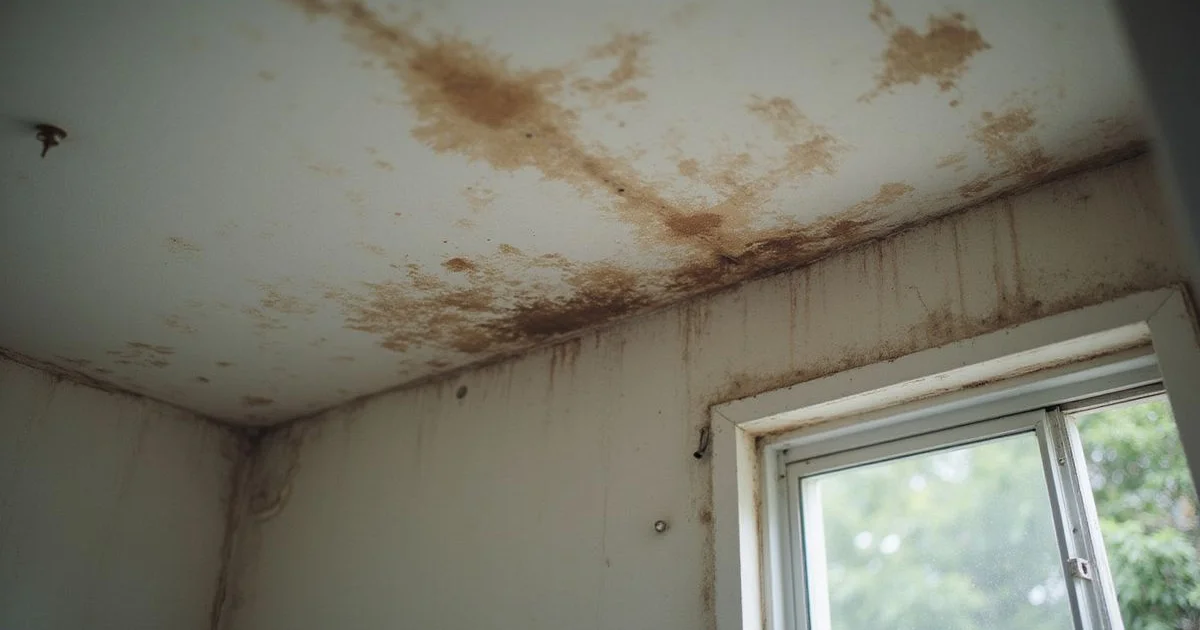
The reason your roof leak shows up where it does is usually not where the water gets in. Water enters at a junction or gap, then runs along the underlay or a batten until it finds a way down — sometimes metres from the entry point. By the time it shows up as a ceiling stain, the actual leak source might be on the other side of the room.
Find and fix hidden roof leaks with thermal imaging and proper waterproofing — our leak detection process is built around tracing the real source before any repair starts.
The KL-Specific Drivers
Kuala Lumpur’s climate punishes roofs in ways temperate climates don’t. Three drivers matter:
Monsoon intensity. The wet-season rain in KL isn’t gentle — it’s heavy, sustained, and arrives at angles that drive water under flashing terminations and into details that would shed light rain without a problem. A flashing that’s “good enough” for normal rain fails under monsoon conditions.
Tropical heat. Daytime roof surface temperatures in KL routinely hit 60-70°C, then drop sharply at night. That thermal cycling expands and contracts concrete tiles, opens hairline cracks, and exhausts the elasticity of sealants and underlay. Roofs age faster here than they do in cooler climates.
Aging terrace and bungalow stock. A lot of KL’s residential stock is 25-40 years old. The roofs were built to standards of that era, and the underlay — the membrane beneath the tiles that catches anything that gets past the tile layer — has often perished even when the tiles themselves look fine.
How a Small Leak Becomes a Big Problem
The “I’ll deal with it after the monsoon” approach almost always costs more than fixing it now. A small leak that admits a litre of water a week is wetting the underlay, soaking the rafters, encouraging mould and fungus on the deck, and degrading the ceiling plaster from above.
By the time the leak is visible enough to be obvious, the damage behind the ceiling is usually significant. Spreading brown stains, bubbling paint, soft ceiling patches, and that musty post-rain smell are all signals that you’re past the early stage.
When to Call
If you’re seeing any of the following, schedule an inspection now, not later:
- New or spreading ceiling stains
- Damp patches that don’t dry out between rains
- Visible cracked tiles, lifted ridge caps, or rusted flashing
- Water running down inside a wall during heavy rain
- Sagging ceiling sections
Even if you can’t see where the water gets in, the leak detection process traces it — thermal imaging, moisture metering, and controlled water-spray testing reveal entry points that are invisible to a visual inspection. Once we have the source, the repair is usually quick. The expensive part is always the diagnostic work; the actual fix is rarely the bottleneck.
Frequently Asked Questions
How do I find where my roof is leaking?
Can a roof leak fix itself?
Is a leaking roof an emergency?
Related Guides
How Monsoon Rains Damage Aging Roofs in Klang Valley
How heavy tropical downpours stress flashing, valleys, and drainage on aging Klang Valley roofs — plus a pre-monsoon roof prep checklist.
How Much Does Roof Repair Cost in Kuala Lumpur?
Realistic roof repair price ranges in KL by job type, the 5 factors that drive cost, and why honest project-based quoting beats a phone quote.
How to Tell If Your Roof Needs Repair or Replacement
A clear checklist for KL homeowners weighing a roof patch against a full re-roof — roof age, leak frequency, tile condition, and the cost calculation.