How Monsoon Rains Damage Aging Roofs in the Klang Valley
How heavy tropical downpours stress flashing, valleys, and drainage on aging Klang Valley roofs — plus a pre-monsoon roof prep checklist.
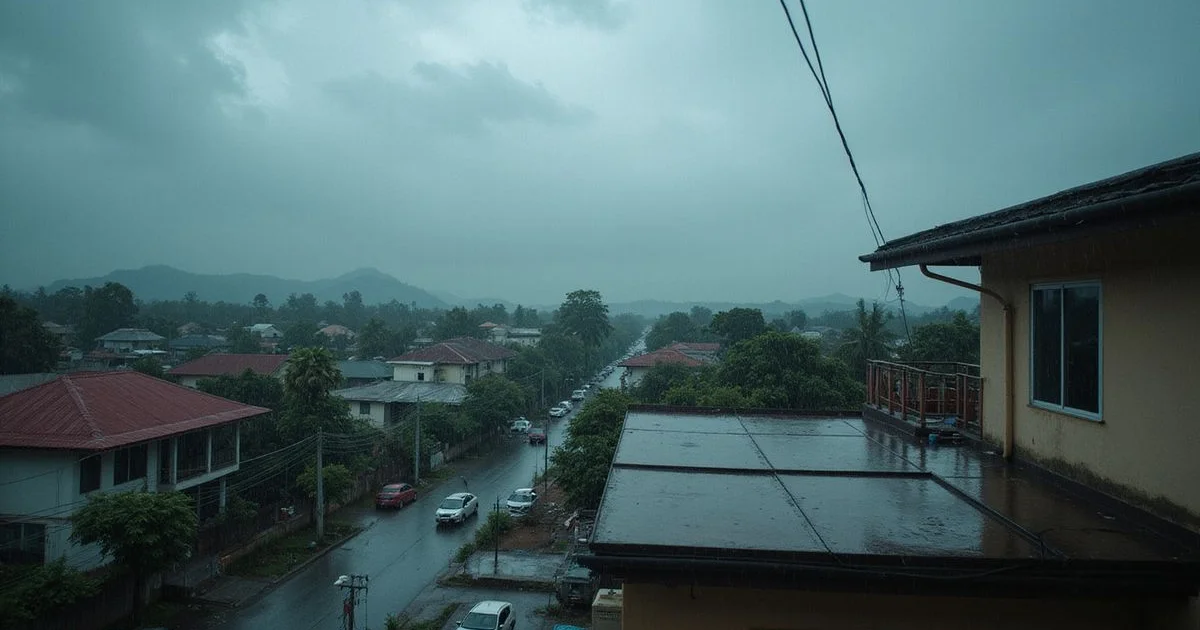
Our team knows that managing properties in Kuala Lumpur means dealing with highly unpredictable weather. The recent shifts in the 2026 monsoon patterns have made monsoon roof damage klang valley a daily concern. Analysing this data reveals exactly why older structures fail and highlights practical ways to protect your building.
We consistently see how catching these issues early prevents massive structural repair bills. A minor leak can easily destroy expensive inventory or interior finishings.
This evergreen guide breaks down the failure modes and provides a clear roadmap for your next pre monsoon roof check.
What Heavy Rain Actually Does to a Roof
Heavy rain exploits microscopic structural vulnerabilities by applying sustained hydrostatic pressure and lateral wind force against roofing materials. The failure modes that show up under these extreme conditions remain completely invisible during dry weather. Our field technicians constantly see how Kuala Lumpur’s violent squall lines push water sideways into weak points.
A 2026 METMalaysia report noted that continuous heavy rainfall episodes create extreme wind-driven pressure across the city. Under these intense conditions, details that look perfectly fine on a sunny day end up leaking profusely. We identify four main stressors that cause aging roofs to fail during a storm:
- Flashing terminations: These metal strips seal the critical joints where the roof meets a wall, chimney, or parapet. Normal rain sheds easily, but wind-driven rain pushes sideways directly into the seals.
- Valley gutters: These V-shaped channels carry the highest water volume. They are the absolute first place where blockages cause immediate leaks.
- Drainage capacity: Standard gutters and downpipes handle normal showers well. They will rapidly back up under sustained heavy flow if they are even partially blocked.
- Underlay: This membrane sits beneath the tiles as the second line of defence. Intact underlay keeps the home dry when the tile layer is overwhelmed, but perished material offers zero protection.
Drainage systems are always the first thing our teams check when diagnosing a new leak. Systems that easily manage a steady drizzle will quickly fail during the November peak. Scheduling routine Gutter and rainwater downpipe care is the cheapest insurance against these catastrophic monsoon leaks. We highly recommend clearing these pathways before the heavy clouds gather.

Why Aging Klang Valley Roofs Are Most at Risk
Decades of intense tropical thermal cycling degrade standard materials, leaving them highly vulnerable to sudden monsoon pressure. A massive portion of the residential housing stock in this region is now 25 to 40 years old. Our inspectors find that these structures were built well for their era, but time and weather take a heavy toll.
The materials have been expanding in the daily heat and contracting in the rain for decades. These long-term failure modes only become obvious when the heavy rains arrive. We consistently see several specific weaknesses in mature properties:
- Concrete tile fatigue: Standard concrete tiles from the 1990s crack from constant thermal cycling, letting water seep through to the layers below.
- Perished underlay: The protective membrane degrades over decades and can no longer catch the water that slips past the damaged tiles.
- Corroded flashing: Metal sealing strips pull away from the parapet walls or rust entirely, creating a very common leak source.
- Blocked valley gutters: Galvanized iron valleys accumulate years of leaf fall and sediment, causing water to pool and overflow into the ceiling.
- Compromised downpipes: Partially blocked downpipes overflow rapidly, soaking the façade and damaging exterior paint.
The Impact on Newer Estates
Rapid construction in booming areas frequently resulted in short flashing laps, undersized downpipes, and badly laid valleys. These hidden workmanship flaws rarely show up until the first proper monsoon arrives. Our repair crews regularly address these unique issues in newer Puchong and Bandar Kinrara housing developments.
Owners in these newer estates must remain highly vigilant. Protecting your asset requires treating rainy season roof damage as a serious threat regardless of the building’s age.
Pre-Monsoon Roof Prep Checklist
A structured pre-season inspection is the most cost-effective way to prevent catastrophic water ingress. Completing this maintenance before the September transition phase guarantees your building is ready for the peak rainfall. Our maintenance division advises running through a comprehensive check every single year.
The financial math heavily favours proactive maintenance. Comparing the typical expenses reveals exactly why early intervention saves money:
| Service Type | Estimated Cost (Klang Valley) | Potential Damage if Ignored |
|---|---|---|
| Pre-Monsoon Inspection | RM 150 - RM 300 | Clogged gutters and minor leaks |
| Standard Leak Repair | RM 180 - RM 600 | Ceiling stains and bubbling paint |
| Major Structural Replacement | RM 3,000+ | Timber rot and collapsed plasterboard |
We recommend following this exact preparation sequence to secure your property:
- Clear gutters and valleys: Remove all leaves, twigs, and sediment to ensure maximum water flow.
- Check downpipe outlets: Verify that water runs cleanly with absolutely no overflow at the joints.
- Inspect flashing: Examine the metal seals at chimneys, parapets, and roof-to-wall lines for any separation or severe rust.
- Scan tile field: Look closely for micro-cracks, lifted ridge caps, or entirely missing pieces.
- Check ceiling: Inspect upper rooms for faint water stains, as these indicate a leak has already started.
- Confirm the attic stays dry: Run a test during a light rain, because entry points often show up here first.
Taking Immediate Action
Finding an irregularity on this list means you must fix it before the next rainfall peak hits. The cost of basic pre-monsoon maintenance is always significantly lower than massive bills for ceiling replacements. Our teams urge building managers to act quickly to lock in these savings.
Taking action now is the core of smart monsoon roof preparation kl.
Early Signs of Monsoon-Related Wear
Interior damp patches, sudden ceiling discoloration, and musty attic odours are the primary indicators that your roofing layers have failed. Catching these signals immediately prevents minor drips from rotting the core timber structure. Our thermal imaging tools often detect these hidden moisture pockets long before water actually drips into the living space.
After each severe wet season, you need to watch the interior spaces very closely. The building will literally show you exactly where the exterior defences are breaking down. We advise property owners to look for these specific warning signs:
- New ceiling stains: Watch for any brown or yellow marks that were not there at the start of the rainy season.
- Damp internal walls: Feel for moisture patches on the walls directly below the roof edge.
- Bubbling paint: Paint that blisters on a wall adjoining the roof is a massive warning sign of trapped moisture.
- Musty odours: A damp smell in the attic or upper rooms that returns after every heavy rain points to hidden pooling water.
- Exterior efflorescence: Visible white powder or water staining on external façade walls means water is soaking through the brickwork.
Secure Your Property Today
Catching these issues early keeps the underlying structure dry and preserves the integrity of the underlay. Acting swiftly on these signs is dramatically cheaper than letting the decay progress into a major structural failure.
Our experience proves that any of these symptoms means the leak is actively spreading.
Do not wait for the next storm to test your aging roof.
Contact our inspection team today to schedule a thorough assessment and secure your building against the next wave of monsoon roof damage klang valley.
Frequently Asked Questions
When is the monsoon season in Kuala Lumpur?
Should I service my roof before the rainy season?
Why does my roof only leak in heavy rain?
Related Guides
How Much Does Roof Repair Cost in Kuala Lumpur?
Realistic roof repair price ranges in KL by job type, the 5 factors that drive cost, and why honest project-based quoting beats a phone quote.
How to Tell If Your Roof Needs Repair or Replacement
A clear checklist for KL homeowners weighing a roof patch against a full re-roof — roof age, leak frequency, tile condition, and the cost calculation.
What Causes Roof Leaks in Kuala Lumpur Homes?
Cracked tiles, failed flashing, blocked valleys, and porous concrete — the real causes of roof leaks in Kuala Lumpur homes and when to call for help.