How Often Should a Roof Be Recoated in Malaysia?
Typical recoat intervals for tropical Malaysian roofs, the UV and rain factors that shorten them, and the signs a recoat is due.
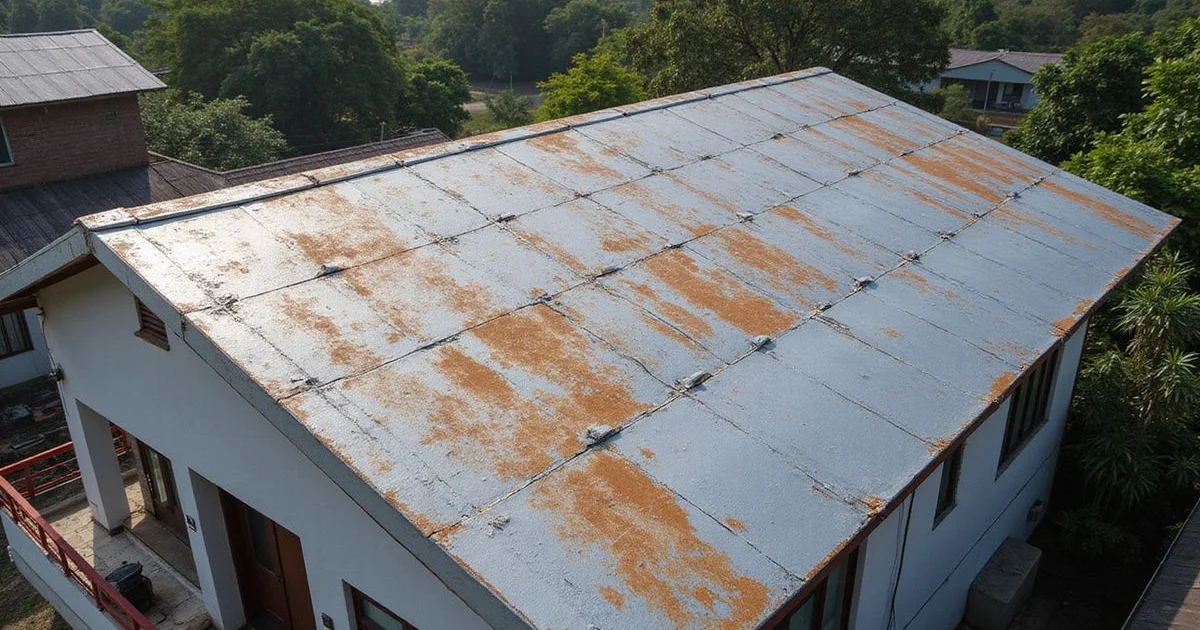
The intense sun and monsoon downpours in Kuala Lumpur degrade building materials at an alarming rate. We constantly inspect properties where the protective layers have failed years before their advertised lifespan. A 10-year warranty means very little when faced with our local climate realities.
This gap between expectation and reality forces property owners to spend thousands on premature repairs.
Our professional service team relies on field data to answer exactly how often recoat roof maintenance should happen in KL. Proper Roof recoating and rejuvenation interval planning saves money and keeps the roof looking good throughout its life. Let’s review the actual wear factors, identify the early warning signs of failure, and build a practical maintenance schedule.
Typical Recoat Intervals in Tropical Conditions
Our field data dictates the exact recoat frequency Malaysia properties need, starting with four to six years for a basic acrylic roof. Premium elastomeric or polyurethane systems push that roof recoating interval closer to 10 or 12 years.
The general rule of thumb suggests that tropical conditions shorten coating life by roughly 30 to 40 percent compared to temperate climates. We specify different products based entirely on budget and expected lifespan.
A standard water-based acrylic like Nippon Flex 200 or SikaCoat 300 Cool costs about RM2 to RM4 per square foot for materials. These affordable options provide excellent breathability but require more frequent applications.
Our commercial clients often upgrade to polyurethane liquid membranes for better durability. These high-end PU systems cost up to RM15 per square foot but resist ponding water far better than basic acrylics. Real intervals depend heavily on UV exposure, shade from neighbouring buildings, and the underlying substrate condition.
| Coating System Type | Estimated KL Lifespan | Estimated Material Cost (Per Sq Ft) |
|---|---|---|
| Basic Acrylic (e.g., Nippon Flex 200) | 4 to 6 years | RM2 to RM4 |
| Mid-Spec Elastomeric | 6 to 8 years | RM5 to RM9 |
| Premium Polyurethane (PU) | 10 to 12+ years | RM10 to RM15 |
UV and Rain Wear Factors
Our inspections reveal that two massive environmental forces dictate coating survival in KL. Malaysia experiences an average of 2,500mm of rainfall annually alongside 70 percent average humidity.
This staggering volume of water exploits any microscopic weakness in your roof protection. We see heavy, sustained rain accelerate degradation through constant wet and dry cycling.
As the polymer chains in the paint break down, water seeps into microcracks and separates the membrane from the tiles or metal. The resulting microscopic gaps allow moisture to bypass the protective layer completely.
The Impact of Thermal Shock and Heat
Our temperature readings show that unpainted dark roofs can reach a blistering 88 degrees Celsius during peak afternoon sun. Tropical UV radiation is intense and relentless all year long.
A white, highly reflective cool roof coating deflects these UV rays and can lower cooling energy consumption by 10 to 30 percent. We find that north-facing elevations generally suffer less UV damage than south-facing sections.
The worst-exposed surfaces usually dictate the lifespan of the entire roof. A system rated for a decade in a cool climate might fail in just six years under full Malaysian sun exposure.
Signs a Recoat Is Due
Our maintenance crews look for very specific visual cues to determine when a protective layer has reached its absolute limit. Catching these early warning signals prevents minor surface wear from becoming a major structural leak.
You should schedule a professional inspection if you notice any of the following issues.
- Visible chalking: The surface looks white or dusty, which is highly noticeable after rain washes the fresh chalk away.
- Colour fading: Fading appears most obvious right where shaded eaves meet the open sun.
- Reduced water shedding: Rainwater pools and flattens out instead of beading up cleanly.
- Biological growth: Moss, algae, or lichen thrive on the porous surface in our humid climate.
- Surface cracking: Fine web-like cracks spread across the paint layer, even if the underlying tile remains intact.
- Visible substrate: The protective layer wears completely thin and exposes the bare metal or tile beneath.
We always warn clients that finding two or more of these symptoms means the membrane is failing. Bare patches from foot traffic or impact damage require immediate spot repairs to prevent moisture from getting underneath the remaining paint.
This simple visual checklist saves buildings from extensive water damage.
A Simple Maintenance Schedule
We strongly recommend establishing a proactive timeline to maximize the lifespan of your investment. For most residential homes and commercial buildings in KL with a quality application, a standard cycle requires annual check-ups.
Regular upkeep prevents massive restoration bills down the line.
| Year | Required Maintenance Action |
|---|---|
| Year 1 to 2 | Conduct an annual inspection and clear all gutters. |
| Year 3 to 4 | Inspect, clear gutters, and perform a surface wash if algae appears. |
| Year 5 | Run a full diagnostic and consider a mid-life topcoat if budget allows. |
| Year 6 to 7 | Evaluate wear levels and begin planning for a full system replacement. |
| Year 7 to 8 | Execute the complete re-coat based on exposure and chalking severity. |
Our data proves that drainage maintenance stands as the single biggest factor in extending product life. Sitting water destroys membranes quickly, while clean drainage paths keep the surface dry and intact.
Routine gutter clearing acts as the cheapest insurance policy against premature failure. We never push for unnecessary refresh works if the existing barrier still has solid integrity.
A professional assessment identifies exactly where the material sits in its lifecycle. If you wait too long, heavy surface preparation and deep cleaning can add RM1,500 to RM4,000 to the final project cost.
Our goal is to help you pinpoint exactly when to recoat roof KL structures before major damage occurs. Regular checks keep the property secure and energy bills low.
Reach out for an honest evaluation of your current waterproofing setup.
Frequently Asked Questions
How do I know when my roof needs recoating?
Does recoating need doing more often in the tropics?
Can I extend the time between recoats?
Related Guides
Roof Recoating vs Roof Replacement — Cost and Lifespan Compared
Cost difference, lifespan added, and the condition thresholds that decide between a budget recoat and a full roof replacement in KL.
What Is Roof Recoating and How Does It Extend Roof Life?
Roof recoating cleans, primes, and protects your roof to extend its life and cut heat — what it involves and which roof conditions suit it.
Need help with this?
Learn more about our roof recoating & rejuvenation service, or get a free on-site inspection.