Common Facade Problems in KL High-Rise Buildings
Cracking, delamination, sealant failure, water ingress, and ACP panel issues — the facade failure modes KL property managers should watch for.
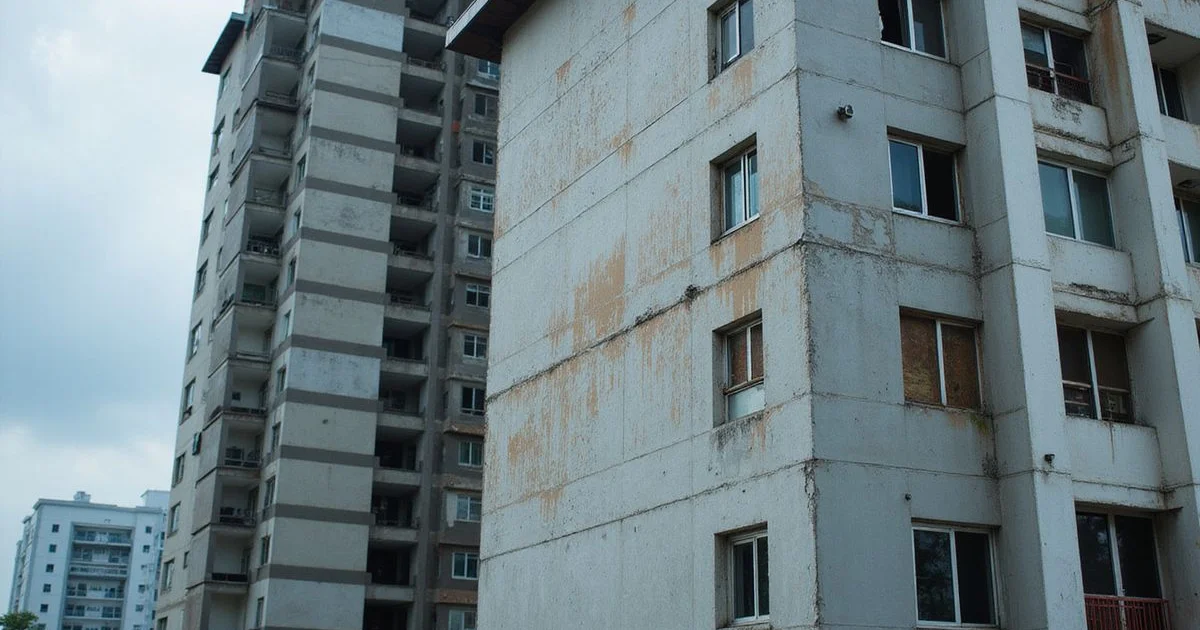
Our engineering teams have noticed a distinct pattern of building facade defects across Kuala Lumpur high-rises. The dividing line between standard maintenance and massive structural repair usually comes down to spotting early warning signs.
We have found that scheduling timely Building facade services prevents most of these catastrophic failures.
It saves substantial costs down the line. We will break down the precise facade failure modes documented in the field and outline actionable inspection protocols. This guide covers everything you need to know.
The Common Failure Modes
We classify exterior deterioration into a few distinct categories. Every facade has a finite life and fails in predictable ways. Our inspections across Malaysian high-rise and mid-rise buildings reveal several recurring issues. Recognising these early is crucial.
Cracking and Water Ingress
We consistently document hairline cracks in exterior plaster as the primary entry point for moisture. These tiny fissures quickly accelerate other structural defects once monsoon rains hit. Our technicians trace most interior water damage at upper levels back to these neglected cracks. Visible staining and efflorescence on the exterior are clear indicators of active water ingress.
ACP Panel Delamination
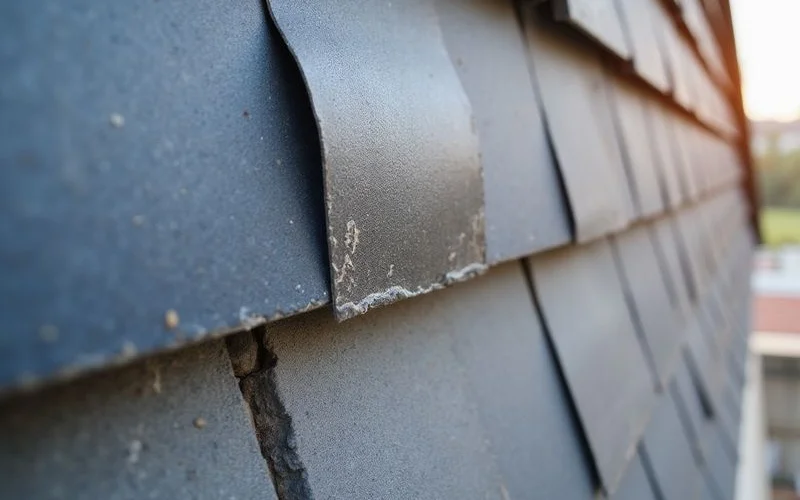
We frequently tap aluminium composite panel (ACP) cladding and hear the hollow sound of delamination long before visual distortion occurs. The panels lose their adhesive bond over time. Our crews see this issue frequently on older structures across the Klang Valley. This defect remains largely invisible until the panels start visibly warping or falling away.
Fire Safety Concerns with Cladding
We advise all property managers to verify their exterior materials against current safety regulations. Older ACP installations with polyethylene (PE) cores present severe fire propagation risks. Our team strongly recommends replacing these with mineral-core panels. Ensuring your building meets the BOMBA Class O fire rating and passes BS 8414 Part 1 testing is a non-negotiable safety standard.
Structural Sealant Failure
We monitor structural sealants between panels, around windows, and at expansion joints. The material loses its elasticity dramatically after just a few years of solar exposure. Our data shows that perished sealant shrinks, cracks, and creates a direct pathway for water. Fixing this promptly prevents expensive interior water damage.
Biological Growth
We find that shaded elevations in tropical climates become prime breeding grounds for algae, mould, and moss. This biological growth is a functional hazard rather than just a cosmetic flaw. Our maintenance logs prove that moss actively traps moisture against the concrete substrate. This constant dampness accelerates the degradation of the underlying materials.
| Visible Facade Defect | Hidden Structural Danger |
|---|---|
| Hairline Plaster Cracks | Active water ingress causing rebar corrosion |
| Hollow Sounding ACP Panels | Imminent delamination and risk of falling cladding |
| Shrunken Window Sealant | Interior water damage and weakened expansion joints |
| Moss and Algae Patches | Trapped moisture deteriorating the concrete substrate |
KL Climate Drivers
We directly observe how tropical conditions actively destroy building materials. The local climate is unforgiving on exterior components. Our climate data highlights four main environmental factors that accelerate facade failure in Malaysia. Understanding these forces helps you plan better maintenance schedules.
- Heat and UV Radiation: Daytime facade temperatures swing dramatically in the city. Sealants lose elasticity faster, paints degrade quicker, and panel bonds weaken more rapidly than they do in temperate climates.
- Rain Intensity: Monsoon rain finds any weak point. A cracked sealant that would easily shed light rain will let water pour in under severe monsoon conditions, accelerating structural damage.
- Constant Humidity: High moisture levels support aggressive biological growth. Moss and algae thrive in shaded areas and trap moisture against the building surface.
- Diurnal Cycling: Daily expansion and contraction severely stresses joints, fixings, and bonds. Over several years, this is the most relentless degradation mechanism on tropical facades.
Safety and Liability
We regularly remind building managers that cosmetic defects become dangerous hazards overnight. A falling ACP panel from a 20-storey commercial block is a severe liability event. Our legal compliance reviews always highlight the strict requirements of Malaysian building codes. Facade defects move from simple visual issues to critical public safety threats very quickly.
“Under Section 85A of the Street, Drainage and Building Act 1974 (Act 133), property owners face heavy penalties and full legal liability if poor maintenance leads to structural failure or injury.”
We focus on four critical safety hazards during our field assessments:
- Loose Cladding Panels: These materials can detach and fall, particularly under high wind or building vibration.
- Failed Sealant: Broken seals let water seep past the exterior, which damages internal structural elements over time.
- Concrete Spalling: Rebar corrosion causes chunks of concrete to break off and drop to ground level, creating a massive safety risk for anyone below.
- Substrate Decay: Biological growth hides deeper structural damage that requires urgent remediation.
We tell our clients that proactive inspection is the cheapest form of insurance available. Structural repairs are far more expensive than routine sealant renewal or panel tightening. Our engineers strongly advise treating these maintenance tasks as essential risk management. Ignorance is no longer an acceptable defense.
When to Commission a Facade Inspection
We structure our inspection protocols around both legal mandates and practical climate realities. Routine assessments are the most effective way to catch defects in their early, cheap-to-fix stages. Our certified inspectors recommend specific cycles for properties in the Malaysian capital. Here are the recommended inspection intervals:
- High-rise residential (10+ storeys): Every 2 to 3 years, ideally scheduled post-monsoon.
- Mid-rise commercial buildings: Every 3 to 5 years to monitor sealant and cladding integrity.
- Low-rise commercial spaces: Every 5 years or immediately following major weather events.
- Any building: Immediately after visible defects appear, after major storms, or during refinancing due diligence.
We have upgraded our assessment techniques to provide deeper insights. The traditional visual walk-around at ground level is no longer sufficient. Our modern inspection packages include advanced diagnostic tools alongside standard physical checks. A comprehensive inspection today involves:
- Rope access or boom-lift detailed reviews of selected exterior areas.
- AI-assisted drones equipped with infrared thermography to detect hidden moisture and delamination.
- Physical sealant condition testing and panel fixing verification.
- Extensive photo documentation with clear engineering annotations.
- A written report featuring a prioritised remediation list.
We assure property owners that the initial inspection cost pays for itself many times over. Catching a single failing panel before it drops saves millions in liability claims. Our goal is to help you maintain a safe, compliant, and structurally sound building. Proactive care is the only way to achieve this.
Conclusion
We know that managing high-rise facade problems in KL feels overwhelming. The sheer scale of the maintenance required makes it easy to delay necessary checks. Our experience proves that waiting for visible damage is a costly mistake. Act now to protect your investment and secure the safety of your occupants.
We encourage you to review your last structural report today. Contact a certified engineering team to schedule your next complete facade assessment.
Frequently Asked Questions
How do I know if my building's facade is failing?
Are facade defects a safety risk?
Who is responsible for facade maintenance?
Related Guides
ACP Cladding vs Plaster Facade Repair
Appearance, durability, cost, maintenance, and weatherproofing of ACP cladding vs plaster facade repair — and which suits your building.
How Facade and Roof Leaks Are Connected
Why roofline-to-wall junctions leak, why fixing one without the other fails, and how an integrated building-envelope approach stops the problem.
What to Expect During a Facade Restoration Project
Assessment, access setup, cleaning, repair, and sign-off — the stages of a facade restoration and the occupant considerations for KL buildings.
Need help with this?
Learn more about our building facade services service, or get a free on-site inspection.